
Many classic novels employ epistolary form (letters) as a successful story-framing device including Frankenstein, Dracula, and The Color Purple. A current popular novel among our members and winner of the 2026 PEN/Hemingway Award for debut fiction is The Correspondent by Virginia Evans, which entirely unfolds through the written correspondence of the main character, a prickly septuagenarian who still has capacity for love and personal growth.
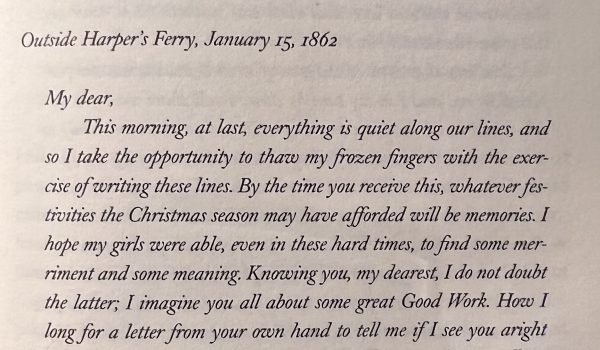
Award-winning author Geraldine Brooks has garnered praise for her fiction, including Horse (2022) and March (2005), winner of the Pulitzer Prize for Fiction. This retelling of Little Women employs the Civil War correspondence of Mr. March bringing him into view as he is largely absent in the original text by Louisa May Alcott. Brooks’s earlier memoir, Foreign Correspondence (1998) chronicles her youth in Australia in the 1960s and 1970s and the expansive influence that a bevy of international pen pals had in shaping her worldly perspective and career as a foreign correspondent covering five wars for The Wall Street Journal. Happening upon a bundle of letters found at her childhood home sent her on a quest to reconnect with the pen pals of her youth.
Whether in a great book or of a more personal nature, a well-crafted letter still appeals. Recently, a member wrote to us proposing a handwritten letter-writing group to meet at the Athenaeum. A few days later, another member suggested a crafters’ drop-in group. The Writing Programs Committee has also been discussing hosting a regular writing drop-in on Saturdays. We love these ideas! In a bid to accommodate all, we are establishing two regular drop-in times each week for creativity in community – Thursdays and Saturdays 1-3 pm. Use this time to move a creative project forward (knit, scrapbook, sketch, journal, write) or complete a task (write those thank you notes, sign the kids up for camp, organize your photos).